
Stillness in the Storm The Philosophy of Controlled Chaos in Combat
The Mixed Martial Artists Transform Disorder into Precision Through Mind, Motion, and Mastery
The Thin Line Between Control and Chaos
In every mixed martial arts fight, there exists a razor-thin boundary that separates control from chaos. Fighters step into the cage with every muscle tensed, every nerve alive, and every sense sharpened. What appears to be mayhem to the untrained eye is, in truth, a symphony of calculation. Each strike, clinch, and feint is born from training designed to create order out of unpredictability. Controlled chaos is not just a poetic phrase in the world of MMA, it is a principle that defines the sport’s essence. The fighter who can dance within that balance survives, adapts, and often triumphs.
Every fight begins in disorder. The cage closes, adrenaline spikes, and instinct threatens to take over. Fighters who lose control fall into the trap of emotional reaction. They swing wildly, breathing heavy, driven by impulse. Yet the great ones remain still inside. They see openings where others see danger. Their movements are minimal but meaningful, deliberate but fluid. This is controlled chaos in its purest form, a paradox that only the disciplined can master. The moment a fighter learns to embrace uncertainty instead of fear it, they begin to control the uncontrollable.
The Architecture of Power
Power in MMA is not about brute strength. It is about how energy travels through the body, from the ground through the hips and into the point of impact. Precision directs this energy, and chaos disrupts it. The greatest fighters understand that power comes from balance. They train not only to hit harder but to hit with intention. Every punch, kick, and elbow carries a rhythm, a hidden architecture that relies on alignment rather than anger. The fighter’s stance, foot placement, and timing all determine whether a strike will land with destructive force or dissipate into wasted motion.
To achieve this harmony, fighters focus on efficiency rather than excess. They condition their bodies to release energy in bursts, to strike with accuracy, and to recover instantly. It is the same principle a swordsman follows, where one precise cut is worth a hundred uncontrolled slashes. The art of power is the art of economy. Those who understand how to channel chaos into concentrated energy are the ones who dominate. Power without precision is a storm without direction, destructive but short-lived. Precision without power is calm without consequence. MMA demands both, and balance becomes the fighter’s greatest weapon.
The Role of Timing and Awareness
Timing is what separates good fighters from exceptional ones. The ability to sense the right moment to act, to anticipate an opponent’s intention, or to exploit a fleeting opening defines mastery. In the chaos of a fight, seconds stretch into eternity. The fighter who remains present, who breathes and observes rather than reacts, gains control over time itself. Awareness turns reaction into anticipation and transforms defense into offense. A single well-timed counterpunch can undo minutes of aggression from an opponent. This is not luck. It is control under pressure.
Awareness extends beyond physical timing. It includes emotional and psychological timing as well. Fighters learn to feel the rhythm of their opponent’s confidence. They can sense hesitation, frustration, or fatigue. They use these moments to shift the momentum of the fight. Awareness becomes an invisible weapon, sharper than any strike. It allows a fighter to adapt constantly, to ride the waves of chaos without being swallowed by them. Precision in timing is born not from prediction but from connection. The fighter must connect to the flow of movement, to the breath of their opponent, and even to the rhythm of the crowd. In the midst of noise, they find stillness.
The Dance of Styles and the Chaos of Adaptation
Mixed martial arts brings together techniques from every corner of the combat world. Striking arts like Muay Thai and boxing merge with grappling arts such as jiu-jitsu, judo, and wrestling. This fusion of styles creates unpredictability. Every fighter carries their own tempo, background, and instinct, and when they collide, chaos is born. The challenge for the modern mixed martial artist is not only to learn each discipline but to flow seamlessly between them. To switch from defending a takedown to delivering a head kick requires an understanding of transitions, timing, and adaptability.
Adaptation is the soul of MMA. A fighter who cannot adjust in the middle of a storm is doomed to be consumed by it. Chaos becomes an opportunity for those who know how to adapt. The best fighters transform discomfort into strategy. They use the unpredictability of their opponent’s attack to create their own rhythm. In a sense, adaptation is the highest form of control. It is the art of remaining unshaken while everything else changes. When a fighter reaches this level, they no longer resist chaos. They become one with it, guiding it like a current rather than fighting against the tide.
The Psychological Battle Within
Every MMA fighter knows that the greatest opponent often lives within the mind. The cage amplifies fear, magnifies self-doubt, and exposes mental cracks. Controlled chaos requires mental resilience as much as physical readiness. Fighters who can remain composed under pressure project confidence that unsettles even the most aggressive opponents. The mind becomes a fortress where thoughts are disciplined and emotions are managed with precision. A calm mind sees opportunities where a frantic one sees only threats.
Visualization, meditation, and controlled breathing are common tools fighters use to maintain composure. These techniques allow them to stay grounded in the moment, preventing emotion from hijacking strategy. Fear never truly disappears, but it becomes fuel rather than paralysis. The fighter learns to use the energy of fear as focus. They channel it into awareness and precision. Mental control transforms chaos from a destructive storm into a wave that carries the fighter forward. The balance between emotion and intellect defines the psychological edge that separates champions from contenders.
The Body’s Dialogue With Chaos
The body speaks a language of motion, and chaos is its test. Fighters learn to interpret what their bodies say under pressure. Fatigue, pain, and injury all whisper messages that must be heard. Ignoring them leads to collapse. Understanding them leads to adaptation. Conditioning becomes the grammar of survival. The body must learn not only to endure but to thrive in exhaustion. The lungs burn, the muscles shake, yet the fighter’s focus remains unbroken. This is not superhuman ability but the result of discipline repeated over countless hours.
Recovery plays as important a role as training. Rest, nutrition, and mobility work become part of the fighter’s strategy to control chaos. The human body is remarkable in its ability to rebuild stronger after being broken down. Through cycles of stress and recovery, it learns resilience. Each training session, each bruise, and each fall contributes to the body’s conversation with chaos. The fighter who respects this dialogue gains mastery not through domination, but through cooperation with their limits. Precision of motion and economy of effort become second nature, and the body moves as if guided by instinct alone.
The Aesthetic of Combat and the Beauty Within Violence
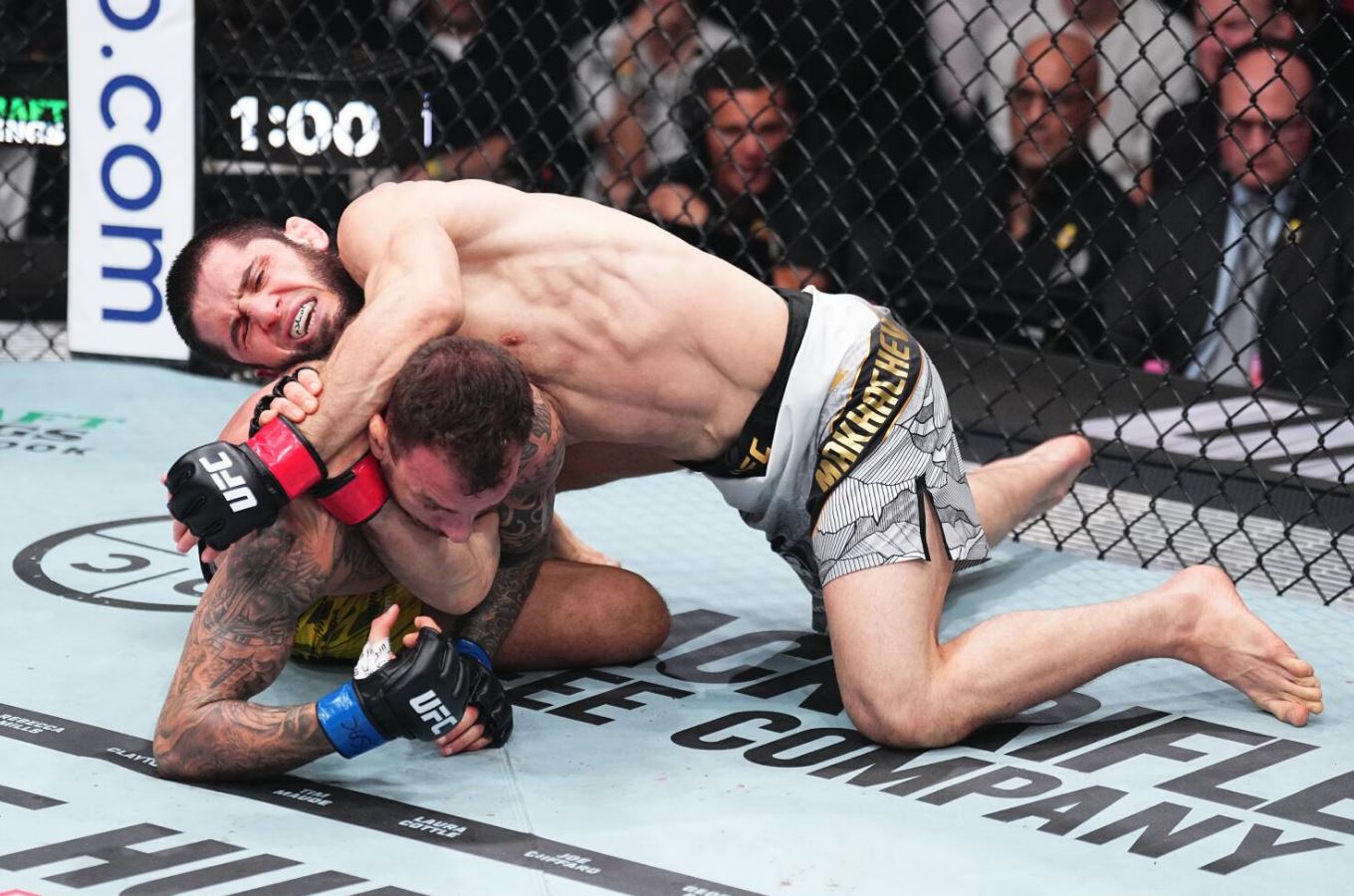
There is a strange beauty in controlled chaos. To watch two fighters exchange techniques at the highest level is to witness the blending of art and danger. The precision of a perfectly timed counter, the grace of a well-executed transition, and the focus in a fighter’s eyes reveal something beyond competition. It becomes expression. Every feint, strike, and movement tells a story of mastery over fear and control over emotion. Violence becomes art when guided by discipline and purpose. In those fleeting moments when everything aligns, the cage transforms from a battleground into a canvas.
Artists throughout history have sought beauty through struggle, and fighters do the same. Their canvas is the human body. Their paint is sweat, breath, and motion. They seek a perfect moment where instinct, skill, and courage merge into harmony. The crowd feels this moment even if they cannot name it. It is the instant when chaos becomes clarity, when destruction becomes creation. The beauty of MMA lies in this paradox, the merging of opposites that reflects the complexity of human nature itself.
The Eternal Balance of the Fighter’s Path
The pursuit of mastery in MMA never ends. Each fight, each victory, and each defeat teaches something new about the balance between control and chaos. The fighter who stops learning begins to fade, while those who continue to evolve remain timeless. Discipline, humility, and adaptability are the pillars of progress. The path of the fighter is not about domination but discovery. Through every struggle, they uncover new aspects of themselves and their craft.
In the end, the art of controlled chaos is not about perfection. It is about presence. It is about finding calm within conflict and clarity within confusion. The cage becomes a reflection of life, unpredictable and demanding, yet filled with moments of grace. To master it is to understand that chaos cannot be eliminated, only guided. Precision and power, when balanced with awareness, become more than tools of combat. They become a way of being. And in that endless rhythm of training, fighting, and reflection, the true warrior learns to find peace inside the storm.