
The Chessboard of Chaos Mastering the Art of Combat Intelligence
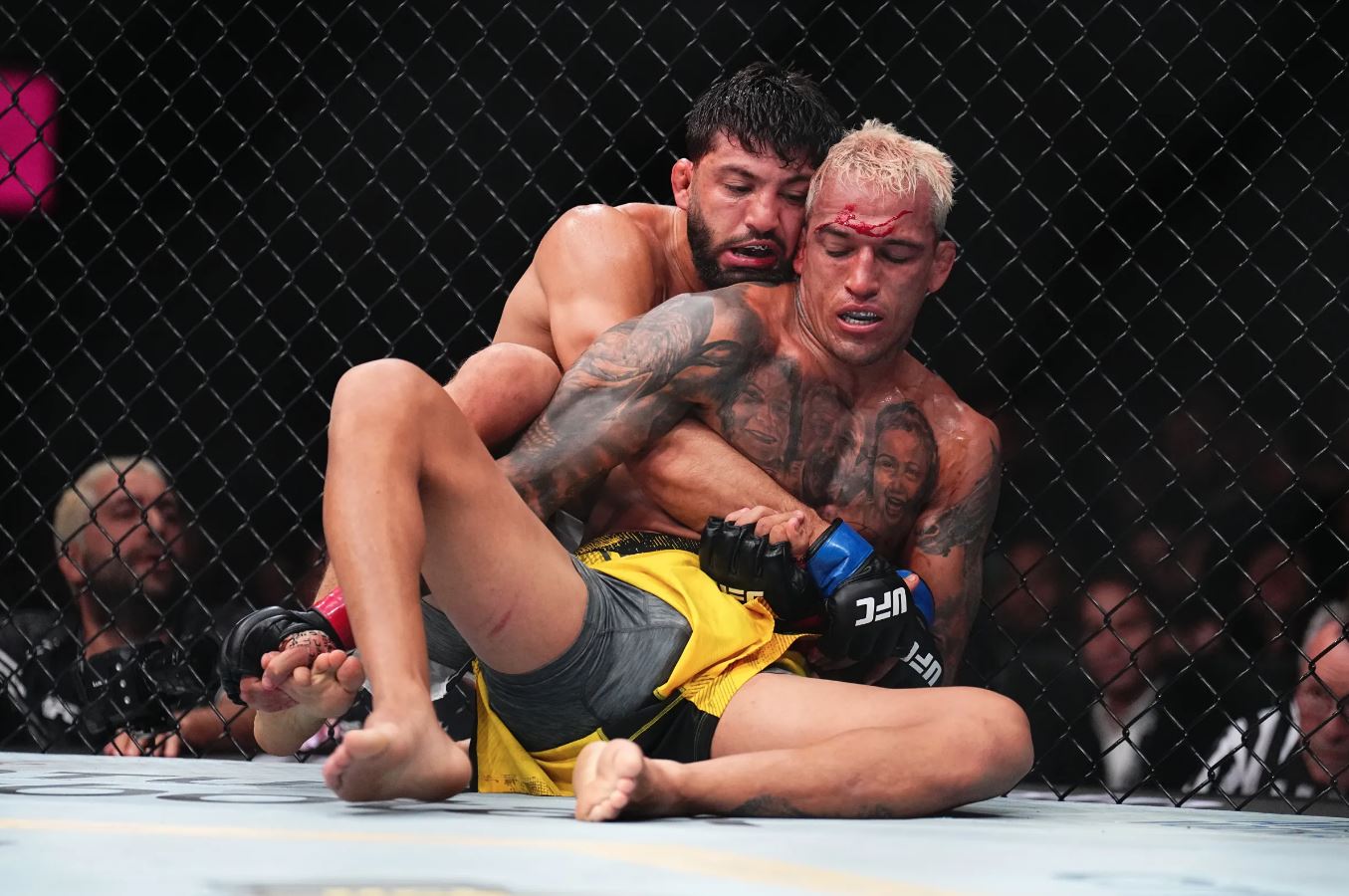
How Elite Fighters Decode Patterns, Predict Movements, and Outsmart Opponents in Real Time
The Hidden Intelligence Behind Every Strike
To the casual viewer, a fight might appear as a blur of aggression and instinct. Two fighters exchange blows, test strength, and rely on reflexes to survive. Yet beneath the surface of every exchange lies an invisible layer of calculation. This is where fight intelligence, often called Fight IQ, reveals its true importance. It is the unseen skill that transforms raw talent into controlled dominance. Fighters with high Fight IQ read the chaos like a seasoned detective reading a suspect’s body language. They spot subtle tells, anticipate decisions, and turn split-second moments into opportunities for victory.
Fight IQ is not just about physical execution. It is about awareness, adaptation, and emotional control. Every punch, kick, and feint is a question asked, and every reaction is an answer that reveals something deeper about the opponent. The fighter who listens carefully, who observes without panic, becomes the one who controls the rhythm of combat. They do not simply fight harder. They fight smarter, dictating the pace and direction of the entire encounter. Intelligence in combat is not a gift. It is a craft built from experience, reflection, and the courage to think clearly in the middle of chaos.
The Anatomy of Observation
Before a fighter can react, they must first perceive. Observation forms the foundation of Fight IQ. Great fighters train themselves to see not just what their opponent is doing, but what they are trying to do. Every shift in balance, every glance, and every twitch carries information. A lowered shoulder may signal a coming hook. A foot turned slightly outward may reveal an intention to kick. Even the tempo of breathing offers clues about fatigue or confidence. Fighters who can process these signals in real time gain a strategic advantage before the physical exchange even begins.
Observation also requires emotional control. Fear and adrenaline can narrow focus, causing tunnel vision that hides critical details. Fighters with high Fight IQ remain calm, allowing their perception to expand. They see patterns in motion rather than reacting to isolated events. In those milliseconds where instinct might lead another fighter astray, the high-IQ combatant remains a step ahead, watching with clarity while chaos unfolds around them. Observation turns the opponent’s aggression into data, and data, when understood, becomes control.
Pattern Recognition and Predictive Thinking
Fighting is rhythm disguised as violence. Every fighter, no matter how unpredictable they seem, has patterns. These patterns come from habits, preferences, and subconscious choices built through years of repetition. Fighters with high Fight IQ develop the ability to recognize these patterns in real time. They begin by noticing small consistencies, such as an opponent always slipping to one side after throwing a jab or resetting their stance before kicking. Once these tendencies are identified, the smart fighter begins to predict what will happen next.
This predictive awareness is what separates reactive fighters from strategic ones. A reactive fighter responds to what they see. A strategic fighter responds to what they know is coming. This difference allows them to create traps. They might feint a jab to draw out a counter, knowing exactly how their opponent will respond, only to punish the reaction with a perfectly timed strike. Prediction turns defense into offense, converting information into impact. In high-level combat, prediction is not guessing. It is reading the future based on the truth revealed in every movement.
The Balance Between Instinct and Calculation
In the heat of a fight, there is little time for conscious thought. Every decision happens in fractions of a second, leaving no room for deep analysis. Yet, high Fight IQ fighters manage to blend instinct with calculation seamlessly. Their training engrains tactical decisions so deeply that they become automatic. This allows them to act with precision while still thinking strategically. The process is similar to a chess grandmaster who no longer calculates every move consciously but operates through intuition refined by thousands of hours of practice.
The balance between instinct and calculation is delicate. Overthinking can lead to hesitation, while relying purely on instinct can lead to recklessness. The best fighters operate in a mental flow where their subconscious mind handles reactions while their conscious mind oversees strategy. This dual awareness lets them shift gears effortlessly, attacking when opportunity arises and defending when risk increases. It is a mental state where clarity and chaos coexist, and mastery of that balance defines true intelligence inside the cage.
The Psychological Game Within the Fight
Combat is not only physical. It is deeply psychological. Fighters with high Fight IQ understand that the battle begins long before the first strike. They manipulate perception, using feints, body language, and rhythm to unsettle their opponents. A well-timed fake can make the opponent second-guess their defense. A subtle change in tempo can break their timing. Every small deception plants doubt, and doubt slows reaction. The fighter who controls the psychological tempo gains control of the physical one as well.
Body language plays a crucial role in this mental warfare. A confident fighter may mask fatigue behind steady posture, while a nervous one reveals uncertainty in every movement. The high-IQ fighter observes and mirrors these emotions strategically, using calmness to project dominance. They know that in a game where milliseconds matter, psychological cracks can widen into tactical openings. The smartest fighters win the mind before they win the match, proving that control of self is the first step in controlling another.
Adaptation The Real-Time Evolution of Strategy
No plan survives first contact. Once the fight begins, reality rarely matches preparation. The ability to adapt separates the great from the good. Fighters with strong Fight IQ treat the first moments of combat as research. They test reactions, measure timing, and gauge distance. Every exchange provides information that reshapes their approach. They evolve mid-fight, abandoning what fails and reinforcing what works. Adaptation is not random improvisation. It is calculated evolution in real time, powered by awareness and discipline.
Adaptation also requires humility. Fighters who cling stubbornly to a game plan despite evidence of its failure often lose to those who adjust fluidly. High-level combat demands flexibility of mind. When the opponent changes rhythm, stance, or tactics, the intelligent fighter matches and surpasses them. They remain students of the moment, learning faster than their opponent can react. This adaptability transforms a fight from chaos into a conversation, one where every response reveals another layer of insight. In this dynamic exchange, intelligence becomes a weapon as sharp as any strike.
The Role of Timing and Distance Management
Every intelligent fighter understands that timing and distance are the true languages of combat. Reading an opponent means understanding how they move through space and when they commit to action. Fighters with refined Fight IQ manipulate these elements like conductors guiding a symphony. They step just far enough to make the opponent miss, then counter before recovery begins. They use small movements, subtle shifts, and precise rhythm changes to control the range of engagement. The result is a sense of effortless dominance, even against faster or stronger opponents.
Timing, however, is not simply physical. It is psychological. Intelligent fighters learn to disrupt the opponent’s internal clock, throwing strikes off-beat or delaying responses to break rhythm. This unpredictability forces hesitation, making the opponent react instead of initiate. The moment an opponent begins to chase rather than lead, control shifts completely. Managing time and space in combat is like solving a living puzzle, where the answer constantly changes. The fighter who can adapt that solution fastest controls the outcome.
The Role of Preparation and Film Study
High Fight IQ does not begin in the cage. It begins in study. Elite fighters analyze footage of their opponents meticulously, not to memorize moves but to understand tendencies. They look for habits, such as when an opponent breathes heavily, when they lower their guard, or how they react to pressure. Every detail becomes a piece of a larger strategic plan. This preparation allows them to enter the fight with an understanding of what to expect, which minimizes surprise and maximizes adaptability.
Yet true intelligence goes beyond analysis of others. Smart fighters study themselves as well. They watch their own footage, not for highlights, but for weaknesses. They learn to recognize their patterns before their opponents do. Self-awareness becomes their greatest defense. The fighter who knows their own rhythms, habits, and flaws cannot be easily manipulated. This blend of outward study and inward reflection creates a fighter who sees the game from both sides, capable of understanding not only what the opponent is doing but why they are doing it.
The Emotional Intelligence Behind Fight IQ
Emotional control is the foundation upon which all fight intelligence is built. Without it, observation becomes blurred, timing falters, and strategy collapses. A fighter who loses composure begins to act out of fear or frustration, falling into traps that an intelligent opponent easily exploits. Emotional intelligence allows fighters to remain calm under pressure, to reset after mistakes, and to read emotional cues in others. They sense when an opponent is flustered, overconfident, or desperate, and they capitalize on those shifts instantly.
Controlling emotion also means mastering ego. Fighters with high Fight IQ understand that pride has no place in strategy. They know when to retreat, when to reset, and when to strike. This humility allows them to think clearly, turning emotional moments into strategic opportunities. While others fight to prove dominance, the intelligent fighter fights to win the war of decisions. In combat, emotion is inevitable, but control of it separates those who survive from those who thrive.
The Mind as the Ultimate Weapon
At the highest level of combat, every fighter is strong, fast, and technically skilled. What separates legends from competitors is the mind. The fighter with superior Fight IQ sees beyond the physical. They think in patterns, adapt without hesitation, and make choices that ripple through every second of battle. Their intelligence transforms fighting from chaos into clarity. Each exchange becomes a conversation, and each movement becomes an answer to a question only they can hear.
In the end, victory belongs not to the one who hits hardest, but to the one who understands most deeply. The cage is a place of violence, but it is also a stage for intellect. Every great fighter knows that the body wins fights, but the mind wins championships. True mastery lies not in domination, but in perception, the ability to read the fight, predict the unseen, and stay composed in the storm. The warrior who conquers thought itself becomes the one who cannot be outsmarted, no matter how fierce the battle ahead.