
The Warrior’s Stillness Finding Control Amid Chaos in the Cage
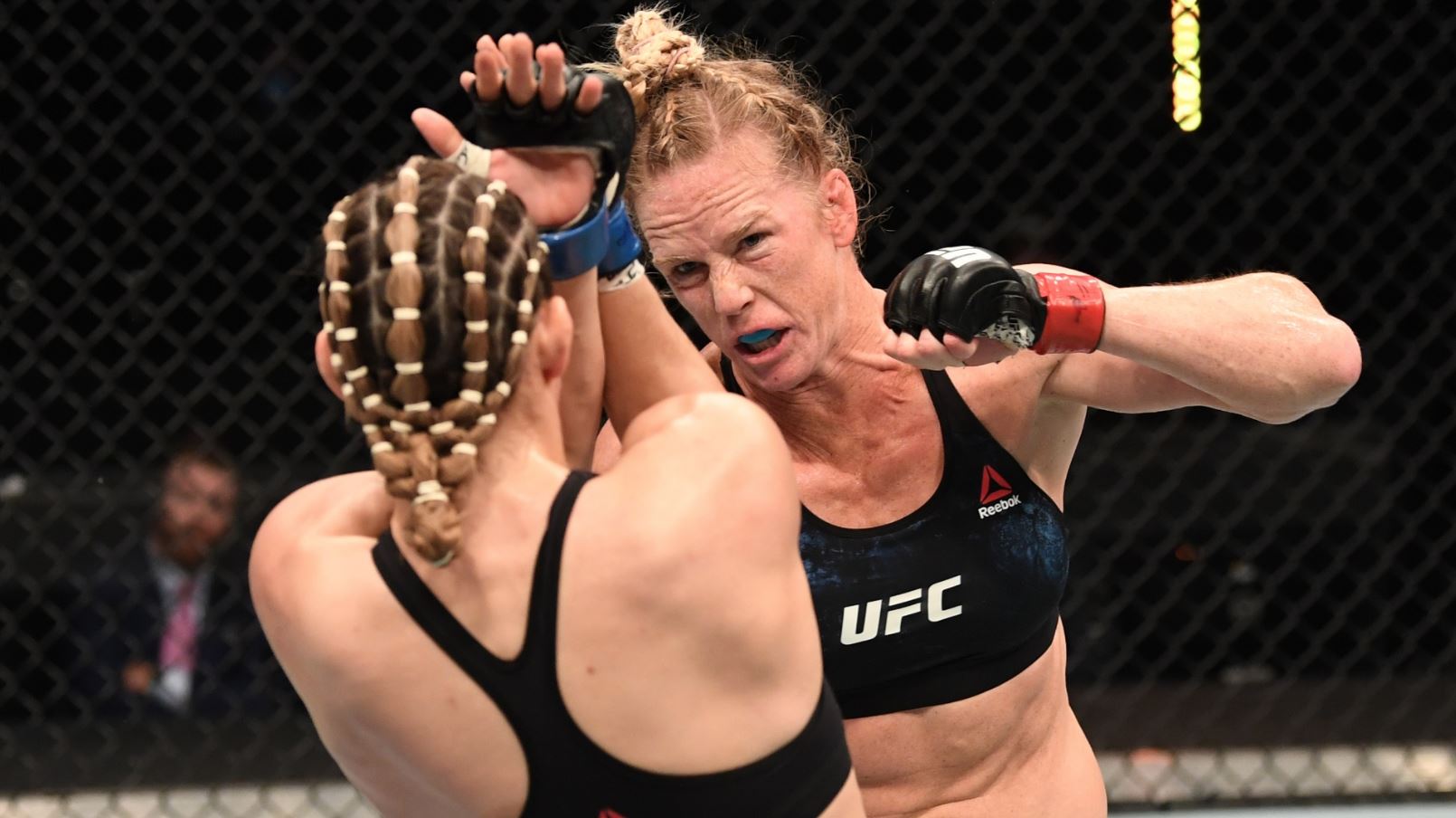
The Transformation from Instinctive Rage to Strategic Composure in the Evolution of Modern Fighters
The Myth of the Angry Fighter
There is a long-standing belief that anger fuels performance in combat. The image of a fighter stepping into the cage with clenched fists, flaring nostrils, and seething rage has been romanticized for decades. Hollywood has portrayed fury as the ultimate weapon, suggesting that emotional intensity equates to strength. However, in the real world of mixed martial arts, boxing, and combat sports, anger is more often a liability than an advantage. While it may create short bursts of energy, it also clouds judgment, disrupts timing, and burns precious endurance. Emotional chaos, no matter how fierce, cannot match the efficiency of controlled focus.
True fighters understand that the mind must be as disciplined as the body. When the bell rings, emotion cannot guide the battle plan. Strategy, patience, and awareness take precedence over rage. Fighters who rely on anger often find themselves reckless, falling into traps, or losing composure after failed exchanges. The best warriors are those who learn to tame their emotions, channeling aggression into precision. They turn fire into fuel without letting it consume them. This transformation from raw emotion to controlled execution defines the difference between a brawler and a tactician, between chaos and mastery.
The Psychology of Control Under Pressure
In combat, pressure is constant. Every strike, every feint, and every breath can trigger emotional responses. The human body’s natural reaction to threat is fight or flight. Adrenaline surges, heart rate spikes, and tunnel vision narrows perception. While these reactions are biologically designed for survival, they can hinder performance in the cage. Adrenaline sharpens alertness but also drains energy quickly. Tunnel vision improves focus on danger but blinds awareness to subtle openings. The psychological challenge of a fighter lies in controlling these automatic impulses.
Sports psychologists often describe this process as emotional regulation. It is the ability to acknowledge emotion without letting it dictate behavior. A composed fighter can feel fear, excitement, or anger but still act with clarity. This control is trained, not innate. Through exposure, repetition, and mental conditioning, the fighter learns to adapt to high-stress environments. Over time, what once caused panic becomes routine. The cage, once chaotic, becomes familiar territory. Emotional discipline transforms threat into opportunity, allowing the mind to function at peak efficiency even under extreme pressure.
Training the Mind Like a Muscle
Just as the body requires conditioning to perform under stress, the mind needs structured training to maintain composure. Fighters today invest as much in mental preparation as they do in physical strength. Visualization is one of the most powerful tools in this process. By mentally rehearsing fight scenarios, athletes simulate emotional stress in a controlled environment. They imagine the noise, the pain, and the pace of combat. This mental simulation trains the brain to respond calmly when faced with real confrontation. Visualization also enhances confidence by reinforcing successful outcomes and strategic clarity.
Breathing exercises and meditation play crucial roles as well. Deep, rhythmic breathing regulates the body’s response to adrenaline, lowering heart rate and restoring focus. Fighters use techniques such as diaphragmatic breathing or box breathing to stabilize the nervous system between rounds or during tense exchanges. Meditation, though often associated with stillness, teaches awareness in motion. Fighters who meditate regularly report improved reaction time, focus, and emotional control. They learn to observe thoughts and sensations without becoming overwhelmed by them. Over time, this practice turns emotional turbulence into calm observation, allowing instinct and strategy to coexist in perfect balance.
The Transition from Instinct to Awareness
Every fighter begins their journey driven by instinct. The thrill of aggression, the rush of victory, and the fear of loss dominate early experiences. Instinct helps in the beginning, but as competition evolves, raw emotion becomes insufficient. Awareness becomes the next stage of mastery. Awareness means being present, completely conscious of movement, timing, and energy without distraction. It allows fighters to perceive the opponent not as a threat but as a rhythm to be understood and countered. Awareness replaces reaction with response, turning chaos into calculated motion.
This transformation mirrors the journey of martial arts itself. Ancient masters taught that emotion clouds technique and that clarity of mind determines victory. The modern cage is simply the new dojo, and the principles remain timeless. Fighters like Georges St-Pierre, Anderson Silva, and Valentina Shevchenko exemplify awareness-driven performance. Their calm demeanor inside the cage is not a lack of emotion, but a mastery of it. They embody a paradox: complete stillness in the midst of violence. Their success proves that awareness, not aggression, sustains dominance in the long run.
Techniques for Cultivating Emotional Discipline
Emotional discipline is not achieved overnight. It is the product of consistent, intentional training both inside and outside the gym. One effective approach is the use of pressure drills. These drills simulate real fight conditions, forcing fighters to operate under fatigue, discomfort, and unpredictability. For instance, sparring with limited visibility or randomized attacks trains adaptability and calmness. The goal is to normalize stress so that emotional reactions diminish over time. When the fighter becomes accustomed to discomfort, composure becomes second nature.
Another key technique involves cognitive reframing. Fighters are taught to reinterpret emotional triggers. Instead of viewing fear as weakness, they see it as heightened awareness. Instead of seeing anger as chaos, they view it as energy waiting for direction. This mental shift turns negative emotions into usable fuel. Journaling is also a valuable practice, allowing fighters to reflect on experiences, identify emotional patterns, and set intentions for improvement. When combined with mindfulness and structured breathing, these techniques create a holistic approach to emotional mastery. The result is a fighter who can face adversity with precision and confidence.
The Role of Corner Teams in Emotional Regulation
While the fighter bears ultimate responsibility for emotional control, the corner team plays an essential supporting role. Coaches act as both strategists and emotional anchors. The words they choose between rounds can stabilize or destabilize the fighter’s mindset. Skilled coaches understand the psychology of motivation. They know when to ignite intensity and when to restore calm. A well-timed phrase can refocus attention, regulate adrenaline, and reset mental balance. Conversely, poorly delivered instructions or emotional agitation can disrupt focus and lead to costly mistakes.
In high-stakes fights, the connection between fighter and coach transcends words. Nonverbal communication, eye contact, tone, and pacing, conveys reassurance and direction. Experienced corners establish pre-fight emotional strategies, preparing the fighter for specific scenarios. If a fighter is known to get overexcited early, the team develops cues to slow the tempo. If the fighter tends to hesitate, they reinforce assertive mental triggers. Emotional discipline, therefore, extends beyond individual control. It becomes a collective effort rooted in trust and shared awareness.
Balancing Aggression and Serenity
Aggression remains a vital component of combat, but it must be balanced by serenity. Without aggression, a fighter lacks urgency. Without serenity, they lack clarity. The art lies in merging both into controlled chaos. Aggression provides the fire that drives movement and power, while serenity provides the coolness that guides direction and timing. The greatest fighters harness both forces seamlessly, attacking with intent but retreating with poise. They are neither passive nor reckless, but harmonized in purpose.
This balance can be seen in the fighting styles of champions across disciplines. Mike Tyson’s early career displayed raw aggression that overwhelmed opponents, but when tempered with guidance under Cus D’Amato, his aggression became focused and strategic. Conversely, fighters like Lyoto Machida and Israel Adesanya rely on serenity as their foundation, using calm observation to counter aggression with precision. Both approaches succeed when balance is maintained. The emotional equilibrium between fire and focus defines the psychology of a complete fighter.
The Spiritual Aspect of Emotional Mastery
Beyond psychology and training, emotional discipline has a spiritual dimension. Many combat athletes describe fighting as an inward journey rather than a physical contest. The cage becomes a mirror that reflects fear, ego, and vulnerability. Confronting an opponent is, in essence, confronting oneself. Emotional mastery, therefore, is not just about performance, it is about self-understanding. Fighters who achieve inner calm often speak of clarity that extends beyond the sport. They experience a deeper connection between body and mind, where every movement feels natural and purposeful.
This philosophy echoes ancient warrior traditions. Samurai practiced meditation and poetry to cultivate inner stillness. Shaolin monks combined physical training with spiritual awareness. Modern fighters, whether consciously or not, continue this lineage. Emotional discipline becomes a form of enlightenment, where mastery of self leads to mastery of combat. The fighter who conquers emotion does not fight merely to win but to understand the nature of struggle itself. Through this awareness, combat evolves from conflict into expression, a dance between chaos and peace that transcends violence.
When Emotion Becomes Weaponized
While emotional suppression is often encouraged, advanced fighters learn to weaponize emotion strategically. Controlled bursts of emotion can disrupt an opponent’s rhythm or create psychological pressure. A sudden roar, a confident stare, or a subtle smirk can shift momentum. These displays, however, are not spontaneous, they are deliberate tools. Emotional intelligence allows fighters to manipulate not only their own feelings but also those of their opponents. By remaining calm internally while projecting intensity externally, they maintain control of the psychological battlefield.
This tactic requires discipline, not deception. It is not about faking emotion but about directing it purposefully. Fighters like Nate Diaz and Conor McGregor have demonstrated mastery of psychological warfare, using emotion as a catalyst for control. They provoke reactions, then capitalize on them. Yet even they remain aware of the line between performance and self-destruction. The danger of weaponized emotion lies in believing one’s own act. The moment a fighter loses awareness, emotion reclaims control. The true master never crosses that threshold. They wield emotion as they would a blade, precisely, without attachment.
The Calm Within the Storm
Emotional discipline stands as the quiet strength that defines greatness in combat. It is not the absence of emotion but the harmony of it. Every fighter feels fear, anger, and doubt. What separates champions from challengers is how they respond to those emotions. Through training, mindfulness, and experience, the fighter learns that control is not resistance but acceptance. The storm may rage around them, but within, there is stillness. In that stillness lies clarity, and in clarity lies victory.
In the end, the cage is not a place of destruction but of discovery. It reveals the fighter’s true nature, their resilience, their focus, and their emotional depth. Mastery of emotion does not end when the fight does. It becomes a way of life, guiding how the warrior faces every challenge, both inside and outside the arena. The calm fighter does not fight harder, they fight smarter. They move with intent, strike with purpose, and breathe with peace. The ultimate victory is not over the opponent, but over the self.