
Whispers of the Dojo The Silent Language of Movement
How Discipline and Flow Shape the Soul of Martial Arts
The Unspoken Bond Between Body and Mind
Inside every training hall there exists a rhythm that words cannot capture. The quiet shuffle of bare feet against the floor, the steady breath of a practitioner entering focus, and the whisper of cloth slicing the air in perfect timing all tell stories of discipline and patience. Martial arts has always been more than physical exertion. It is an ancient dialogue between instinct and awareness, where the body learns to speak a language that the mind must first learn to hear.
When a student bows before beginning practice, that motion is not merely symbolic. It is the first word in a conversation with the self. Through repetition, fatigue, and struggle, the martial artist begins to realize that every movement is a mirror reflecting the state of the mind. Whether the style originates from the mountains of Japan, the temples of China, or the streets of modern cities, the purpose remains unchanged. The practice becomes a way to listen to one’s own energy and to command it with intention rather than aggression.
The Rhythm of Repetition and the Birth of Precision
To the outsider, watching a martial artist repeat the same technique for hours may seem monotonous, yet repetition is the forge in which mastery is created. Every punch, kick, or stance is not simply drilled for muscle memory, but for the refinement of awareness. The body learns patterns and timing until motion and thought exist as one seamless current. In the beginning, the body resists. Muscles ache and the mind rebels against monotony, but persistence transforms the resistance into rhythm.
In many traditional dojos, instructors emphasize the concept of kata, a series of prearranged forms that simulate combat against invisible opponents. To the untrained eye, it may look like choreography, but for the dedicated practitioner, it becomes a living meditation. Each motion is precise, deliberate, and charged with intent. Through kata, the martial artist explores the unseen space between offense and defense, discovering that perfection lies not in the technique itself, but in the awareness it cultivates.
The Philosophy Hidden Behind Combat
Many people assume martial arts is defined by violence, yet its true essence lies in restraint. To understand combat is to understand peace. A fighter who seeks conflict for pride or dominance has missed the lesson. Every traditional system teaches the practitioner to avoid unnecessary harm. The paradox is clear. Those most capable of inflicting damage are the least likely to do so.
Ancient masters often spoke about the soft overcoming the hard. This idea is not only physical but philosophical. Yielding to force, redirecting energy, and adapting to the unpredictable represent the mental agility required for life’s challenges. Martial artists learn that every opponent, whether physical or emotional, can be understood through balance. Control, not chaos, defines victory. To overcome without destruction, to stand firm without hatred, and to strike without cruelty are the truest expressions of martial strength.
Training Pain and the Art of Endurance
In the world of martial arts, pain is both teacher and companion. Bruised shins, sore joints, and torn calluses tell the story of persistence. However, endurance extends beyond the body. Mental endurance shapes the spirit. To wake before dawn for practice, to fall a hundred times and rise again, to struggle without complaint, these are the invisible milestones of growth.
The old masters often reminded students that the body must be tested so that the spirit may emerge. Pain, when accepted with awareness, becomes a refining fire that burns away ego and leaves behind resilience. Each challenge faced in the dojo mirrors the obstacles outside it. A practitioner who learns to stay calm under physical pressure discovers the same composure when facing emotional storms. Pain does not define failure. It defines persistence.
The Modern Transformation of Ancient Traditions
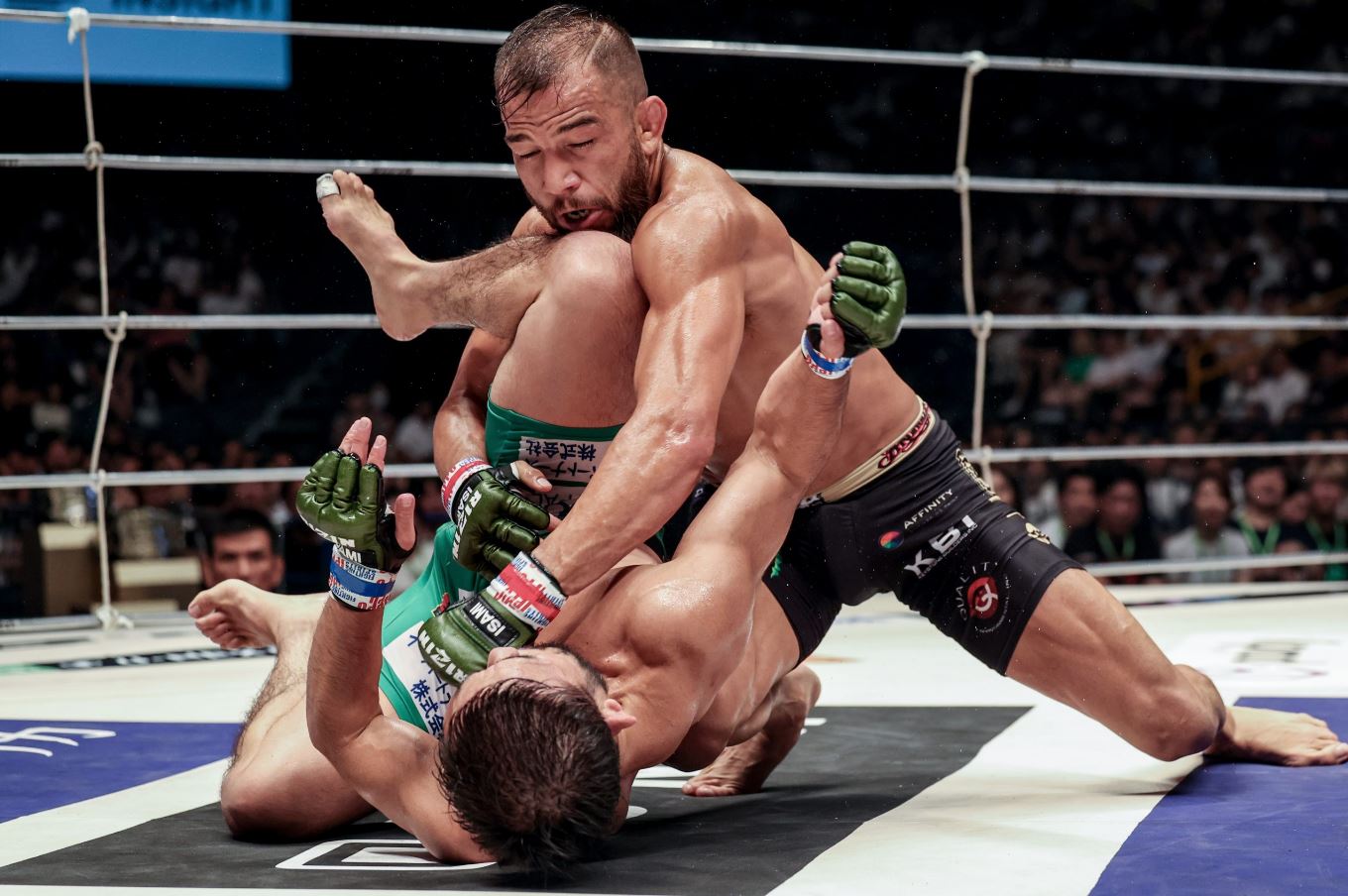
The martial arts of today live in two worlds. One remains loyal to tradition, where rituals, uniforms, and etiquette carry centuries of wisdom. The other world thrives in mixed martial arts arenas, where fighters blend styles for competitive dominance. Though these realms may appear separate, they share the same roots. Whether a fighter practices karate in a quiet dojo or steps into a cage under blinding lights, both pursue mastery through challenge and self-control.
Technology has transformed how martial artists train. Virtual coaches, motion tracking, and online communities connect practitioners across continents. Yet despite this modernization, the spirit of martial arts remains untouched. The foundation is still discipline, humility, and respect. Even as modern fighters chase fame and sponsorships, the quiet truth endures. Without inner balance, no amount of power can bring peace.
Respect, Ritual, and the Code of Conduct
A true martial artist is not defined by medals or belts but by conduct. The simple bow before sparring carries a profound meaning. It says, I respect you, and I thank you for being my teacher. Every exchange, even in competition, becomes a lesson in honor. Respect for opponents, teachers, and the training space sustains the integrity of martial arts across generations. Without it, the practice becomes empty motion without meaning.
Traditional schools often follow a code of ethics known as Dojo Kun. These principles encourage self-control, honesty, and compassion. The modern student, just like the ancient one, learns that the battlefield is not only physical but moral. The discipline to restrain one’s ego, to remain humble in victory, and to learn from defeat defines the maturity of a fighter. Through respect, martial arts becomes not a display of dominance but a practice of empathy.
The Spiritual Current Beneath Every Technique
There is an invisible current running through martial arts that transcends the physical. Some call it chi or ki, others call it presence or flow. It is the energy that aligns breath, focus, and motion into perfect harmony. When a martial artist strikes or defends without hesitation, it is not instinct alone but connection to this current. The world seems to slow, perception expands, and movement becomes effortless.
This state of being cannot be taught directly. It emerges naturally from years of dedication. Meditation, controlled breathing, and mindful repetition open the path toward it. The practitioner no longer fights to win but to express truth through movement. This experience is fleeting yet unforgettable. It is the essence of martial arts distilled into a single moment where mind, body, and spirit are indistinguishable.
The Endless Journey of the Martial Path
Martial arts is not a destination. It is a lifelong dialogue between strength and understanding. Every belt, trophy, or recognition fades, yet the lessons endure. The practitioner who continues beyond physical mastery begins to train the heart. Compassion becomes as important as speed. Humility becomes stronger than aggression. In time, the fighter becomes a philosopher, and the dojo becomes a sanctuary for growth rather than battle.
To walk the martial path is to embrace the endless cycle of learning, unlearning, and relearning. The beginner’s spirit, open and curious, remains the truest guide. Each strike, block, and bow reminds the practitioner that mastery is not perfection but awareness. The path never ends, because the art is alive within the practitioner’s every breath. And in the quiet hum of the dojo, where sweat meets serenity, the whispers of the martial spirit continue to echo through time.